
7 Unheard Temples of Haridwar – A Hidden Spiritual Guide Beyond Har Ki Pauri
Millions of pilgrims pass through Haridwar each year, yet most never travel beyond the bright lights of Har Ki Pauri and the evening Ganga Aarti. The "Gateway to the Gods" hides a deeper spiritual layer – seven lesser-known temples each rooted in ancient legend, some reachable only through dense forest. This is the guide for pilgrims who want the real Haridwar.
1. Kalbhairav Temple – The Divine Guardian of Haridwar
Located in the shadow of the ancient Maya Devi Temple, the Kalbhairav Temple is often overlooked by tourists but is considered the "Kotwal" – the divine guardian – of Haridwar. In Hindu tradition, Bhairava is a fierce manifestation of Lord Shiva, and no pilgrimage to a Shaktipeeth is complete without seeking his permission and protection first.
The legend. When Goddess Sati’s heart and navel are believed to have fallen at Haridwar, Lord Shiva appointed Kalbhairav to guard the sacred ground. The temple is small but radiates an intense energy that serious sadhaks recognise immediately.
What devotees offer. Mustard oil, black cloth, and traditional sweets. It is believed that visiting this temple removes the "fear of time" (Kaal) and protects the devotee from negative influences. This is a temple for serious spiritual practitioners who want to understand the darker, protective aspects of the divine.
2. Mayapuri Temple – Inside Juna Akhada
Haridwar was historically known as Mayapuri, named after the presiding deity of the city. While the main Maya Devi Temple is well-known, the shrine inside the campus of Juna Akhada – the largest and oldest order of Naga Sadhus – holds a unique historical weight.
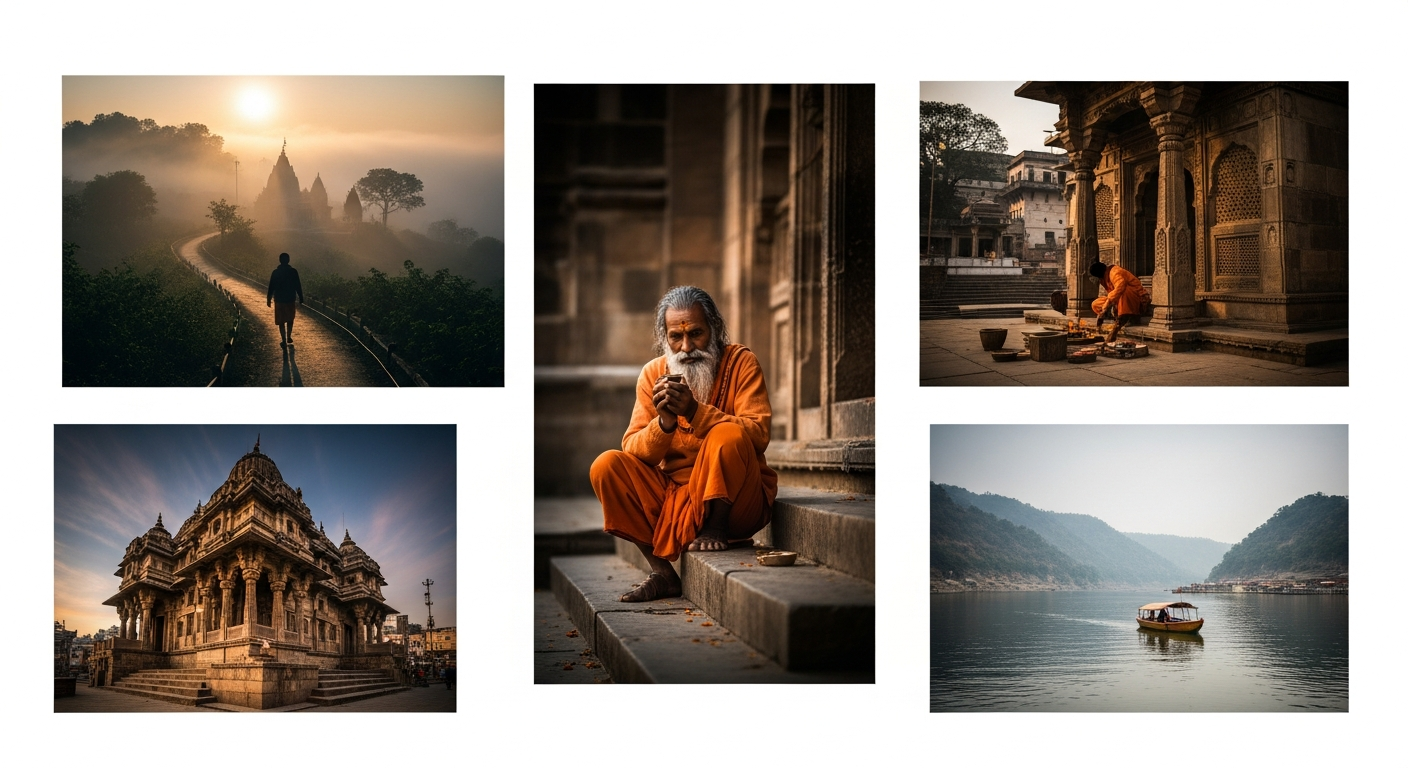
History. This site dates back to the 11th century. Being inside the Juna Akhada, it is steeped in the traditions of the warrior-monks. The temple complex is a living museum of ancient Shaivite culture.
What is unique. Here you can witness the daily rituals of the Naga Sadhus, which have remained unchanged for centuries. The temple serves as the spiritual headquarters for the Akhada during the Kumbh Mela. It is the best place to understand the raw, ascetic side of Haridwar’s history – away from the commercialised ghats.
3. Pashupati Nath Mandir at Har Ki Pauri
While thousands stand at Har Ki Pauri for the evening Aarti, very few notice the Pashupati Nath Mandir tucked behind the main ghat – a rare replica of the world-famous shrine in Kathmandu, Nepal.

Architecture. The temple features a distinct Pagoda-style architecture, contrasting with the Nagara-style temples common across north India. The central deity is a four-faced Shiva Linga, representing four aspects of Shiva: Sadyojata, Vamadeva, Tatpurusha and Aghora.
Spiritual vibe. Located right on the banks of the Ganga, the temple offers a panoramic view of the river’s flow – a quiet sanctuary in the chaos of Har Ki Pauri. Devotees come here to pray for the liberation of all living beings, since "Pashupati" translates as "Lord of all creatures".
4. Bilwakeshwar Mahadev – The Forest Temple of Penance
Nestled in the lush greenery of the Bilwa Parvat – the same hill that houses Mansa Devi – this temple is a serene forest retreat in the middle of the city.
The legend. This is believed to be the spot where Goddess Parvati performed intense penance (Tapasya) for thousands of years to win Lord Shiva as her husband. Pleased by her devotion, Shiva appeared here under a Bilva (Bael) tree.
The Gauri Kund. Just 50 steps from the temple is the Gauri Kund, a small sacred pond where Parvati is said to have bathed. The water is considered holy and is often carried home by locals.
Why visit. A rare "jungle temple" experience in the heart of Haridwar. The walk through the woods is meditative and cooling – a favourite for those wanting to escape the heat and noise of the main market.
5. Pardeshwar Shivling at Harihar Ashram, Kankhal
Located within the beautiful Harihar Ashram in Kankhal, the Parad Shivling is a marvel of both spiritual faith and ancient metallurgy.
The idol. A massive Shiva Linga made entirely of Parad (solidified mercury), weighing approximately 150 kg. In alchemy and Tantra, mercury is considered the "semen of Shiva", and its solidification is seen as a high spiritual achievement.
Rudraksha tree. The ashram also houses a massive, rare Rudraksha tree that bears genuine fruits, surrounded by 12 small shrines representing the 12 Jyotirlingas.
Spiritual significance. It is said that meditating before a Mercury Linga is equivalent to performing thousands of other rituals. The vibrations in this temple are noticeably calm and grounding – many serious meditators visit here for early morning sittings.
6. Shri Kali Shaktipeeth near Chandi Bridge
While the hilltop Chandi Devi temple is a major landmark, the Shri Kali Shaktipeeth located near the Chandi Bridge at the base of the hill is a hidden gem for those interested in Tantric traditions.
Tantric significance. This temple is dedicated to Maa Kali in her fierce form. Unlike the more "Sattvic" temples in the city, this site is deeply connected to ancient Tantric rites and the worship of the ten Mahavidyas.
Atmosphere. The temple is often shrouded in incense smoke and the chanting of powerful mantras. It is located near the confluence of the river and the mountain, a place traditionally considered high in Prana (life force). It is a must-visit for those seeking the raw, unfiltered power of the Divine Mother.
7. Kundi Soteshwar Mahadev – The Most Hidden of All

Located about 27 km from the main city, deep within the dense forests of the Rajaji Tiger Reserve, this is perhaps the most "unheard" temple of all – and the one that gives this guide its name.
The myth. According to local lore, when Lord Shiva’s marriage procession (Baraat) was travelling from Mount Kailash to Kankhal (King Daksh’s palace) to marry Sati, the procession halted here to rest. Shiva’s Ganas – the wild host of ghosts, spirits and ascetics – decided to prepare bhang. Lacking utensils, they used a natural stone mortar (Kundi) and pestle (Sota) to grind the bhang leaves. The temple is named after these stones: Kundi Soteshwar, the Lord of the Kundi and Sota.
The haunted tree. Some Ganas drank too much of the potent bhang, climbed a tree to rest, and slept so deeply they missed the wedding entirely. Locals believe these spirits still reside in the ancient tree near the temple, and devotees regularly leave food offerings at its base. Visitors are advised not to go too close after dusk.
Archaeological evidence. The Archaeological Department has excavated the area and found actual stone "Kundis" and ancient Shivling-shaped stones dating back thousands of years – validating the spiritual and historical weight of this sacred ground.
The deity. Unlike most Shiva temples, the deity here is not a standard Linga but a Peeth – a flat rock formation that emerged naturally from the earth. The temple feels ancient, primitive, and deeply connected to the wild. Read the full Kundi Soteshwar Mahadev destination guide.
How to plan your hidden Haridwar route
- Morning (city temples): Kalbhairav → Mayapuri at Juna Akhada → Pashupati Nath at Har Ki Pauri
- Late morning: Bilwakeshwar Mahadev (combine with a Mansa Devi visit if you want)
- Afternoon (Kankhal side): Pardeshwar Shivling at Harihar Ashram
- Evening: Shri Kali Shaktipeeth at Chandi Bridge (best at dusk for the energy)
- Next half-day: Kundi Soteshwar Mahadev (27 km drive each way, plus forest walk)
For pilgrims combining Haridwar with the Char Dham helicopter yatra, this hidden temple route is best done as a 1.5-day extension before flying to the dhams from Sahastradhara helipad in nearby Dehradun.
